An enchantment is an added modification attached to a card. A keyword such as Retain describes a rule that a card may obtain from its printed text, an enchantment or another effect. A Power is also a card type. These categories overlap in what they do, but they do not have the same selection rules or duration.
Which card changes survive the fight?
Normal effects with no explicit permanent exception. An enchantment is applied to a permanent deck card; Armaments is used during combat.
- Smith upgradeStays for later fightsA permanent deck upgrade is part of the card you take into the next encounter.
- Royal Stamp enchantmentStays on the deck cardRoyally Approved adds Innate and Retain. Those keywords are not two separate enchantment slots.
- Armaments upgrade
 Ends with combatUpgrading the combat copy does not permanently Smith the deck card.
- Queen’s Bound
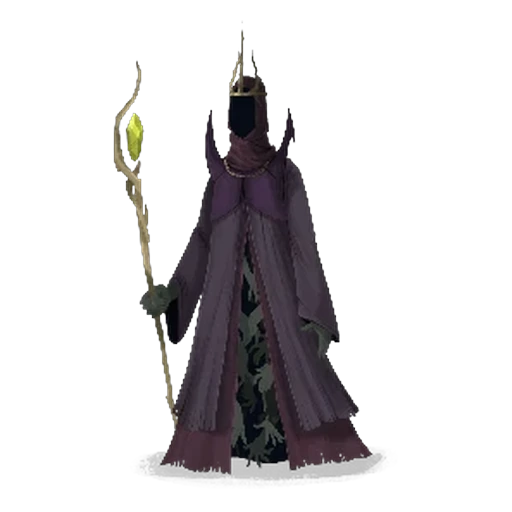 Removed at turn endOnly one Bound card can be played in a turn. Play the Bound card you most need first.
Enchantment, Affliction or combat effect
| Change | Example | What to expect |
|---|---|---|
| An enchantment on a deck card | Royal Stamp gives Royally Approved | The modified card remains in your deck for later fights. |
| A keyword granted by an enchantment | Royally Approved gives Innate and Retain | Apply those keyword rules; they are not two extra enchantments. |
| An enemy affliction | Queen’s Bound cards | Follow the affliction’s combat restriction and duration. |
| A combat upgrade | Armaments upgrades a card in hand | The upgraded combat copy does not replace a permanent Smith upgrade. |
| A Power card played in combat | Feral | Its ongoing effect belongs to that combat. |
Royal Stamp can enchant an Attack or Skill with Royally Approved, giving both Innate and Retain. It cannot select a Power card simply because that Power would be useful on turn one. Likewise, Gnarled Hammer applies Sharp to Attacks; a defensive Skill is not an eligible recipient.
Enchantment eligibility
A card already carrying an enchantment normally cannot receive a different one. A card with printed Retain, however, is not automatically enchanted: inspect the added enchantment icon and description. Do not decline an event merely because the desired card already has a printed keyword.
Check the effect’s narrower restrictions too. Spiraling Whirlpool offers Spiral to a basic Strike or Defend. That does not create an unrestricted Replay enchantment for any card in the deck. Corrupted belongs on an Attack and adds an HP-loss consequence to its increased damage. Each play of a Corrupted Attack costs HP again.
Permanent enchantments also affect later transformation decisions. Ordinary random transformations lose the original card’s enchantment. Spending an event reward on a starter and then choosing Pandora’s Box can erase that investment.
Afflictions can require a different play order
Queen afflicts cards with Bound. Only one Bound card can be played each turn, and the affliction is removed at the end of the turn. If both a Block card you need and an optional Attack are Bound, playing the Attack first prevents the Block play. Compare all affected cards before choosing one.
Other afflictions have different restrictions. An increased Energy cost is not the same as a limit on how many affected cards you may play. Read the attached text rather than treating every unfamiliar card overlay as a permanent enchantment or a Curse added to the deck.
For ordinary Innate, Retain, Exhaust and Ethereal behavior, use the keyword guide. For whether a specific modification survives replacing the card itself, use the transformation rules rather than its combat duration.