
The gold Speediest badge requires a winning run in under thirty minutes. Speedier allows under forty, and Speedy under fifty. A fast loss does not qualify. The target is the run timer; leave a margin rather than planning to finish at exactly thirty minutes.
Deck choice for Speediest
Use a character whose ordinary card choices and enemy matchups you already understand. A spectacular engine can be slower to build and pilot than a less elaborate deck which ends fights in a few turns. The badge has no Ascension requirement.
Before starting, know the immediate jobs you will draft: damage for early fights, enough defense to avoid repeated emergency decisions, and a payoff that scales for bosses. Do not commit to a rare package before its pieces appear.
The build comparison separates enablers from reasons to change direction. Pick a familiar direction, then accept a useful alternative when it solves the next fight sooner. A player-reported sub-twenty-minute clear shows that much faster finishes are possible, but its result does not make an unfamiliar deck a reliable first attempt.
Example timer targets
These checkpoints are example pacing for a thirty-minute attempt; the game does not check them.
| Point in the run | Example timer target | If the run is behind |
|---|---|---|
| End of Act 1 | About 8 minutes | Identify whether combat, reward decisions or a weak damage plan is consuming the time. |
| End of Act 2 | About 18 minutes | Stop adding optional setup which will not repay its acquisition and play time. |
| Final boss approach | Several minutes below 30 | Leave room for the actual boss and its remaining phases. |
When behind, still check lethal hands before ending a turn. A run that misses thirty can still earn the forty- or fifty-minute tier. Abandoning a winning line to save a few seconds can lose every tier.
Shorter fights
Area damage reduces the number of separate enemies that need to be finished. Whirlwind can turn available Energy into repeated damage across the whole encounter, but its printed five damage per hit is not enough by itself against every later enemy. Strength, upgrades and the Energy reaching the attack determine the actual result.
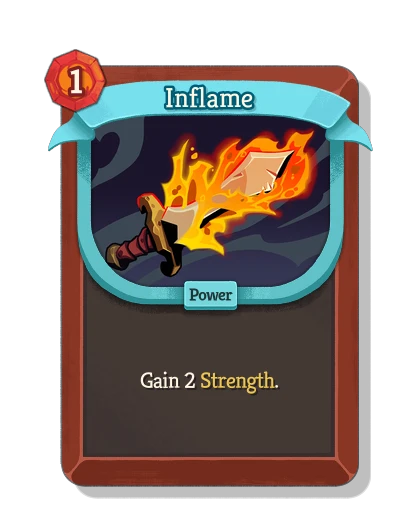
Use useful damage support early enough to matter. A Power drawn after most of the fight is over may add animations and card plays without shortening the kill. Conversely, a Power which turns several later attacks into lethal can save multiple turns.
A Fire Potion deals twenty damage. If it finishes the remaining attacker, it can save an enemy turn and the next round of draws. If it leaves the same enemy alive for the same number of turns, its time benefit is smaller. Preserve another answer when the coming boss needs it; do not spend all potions solely to shorten an already trivial hallway.
Loops without a fast finish
The All for One loop can generate repeated damage and Block, but a long sequence of small actions can consume the time the badge requires. A loop which is safe indefinitely is not automatically a quick kill. Count the enemy’s remaining HP, damage per cycle and the number of repeated actions before choosing that route for a speed attempt.
The same issue occurs with a defense-heavy deck that survives every turn while dealing little damage. Add a realistic finish before the late boss, rather than discovering that the safe engine needs dozens of turns. The Energy and draw guide helps separate an access problem from an affordability problem when the hand keeps stalling.
Route and shop priorities
Choose optional fights when their likely improvement is worth the combat and reward time. Avoid an elite simply for another relic if the existing deck already answers the boss and the elite threatens a long recovery. Do take a useful combat when skipping it would leave the starter attacks unable to finish the act. Question-mark rooms can also contain fights and lengthy choices, so they are not a guaranteed shortcut.
At shops, decide the shortage before opening the inventory: missing area damage, a defensive answer, removal or a specific resource. At a campfire, know the relevant upgrade before browsing the entire deck.
Keep main and beta timer behavior separate. The single-player pause-menu timer change appeared in beta v0.108.0; a main v0.107.1 attempt should not budget time on the assumption that every pause behaves the same. Use the run timer visible in your version, complete the actual win, and check the resulting tier on the run summary.